Residential Window Tinting Costs in Birmingham — A Practical Guide to Prices, Films and Quotes
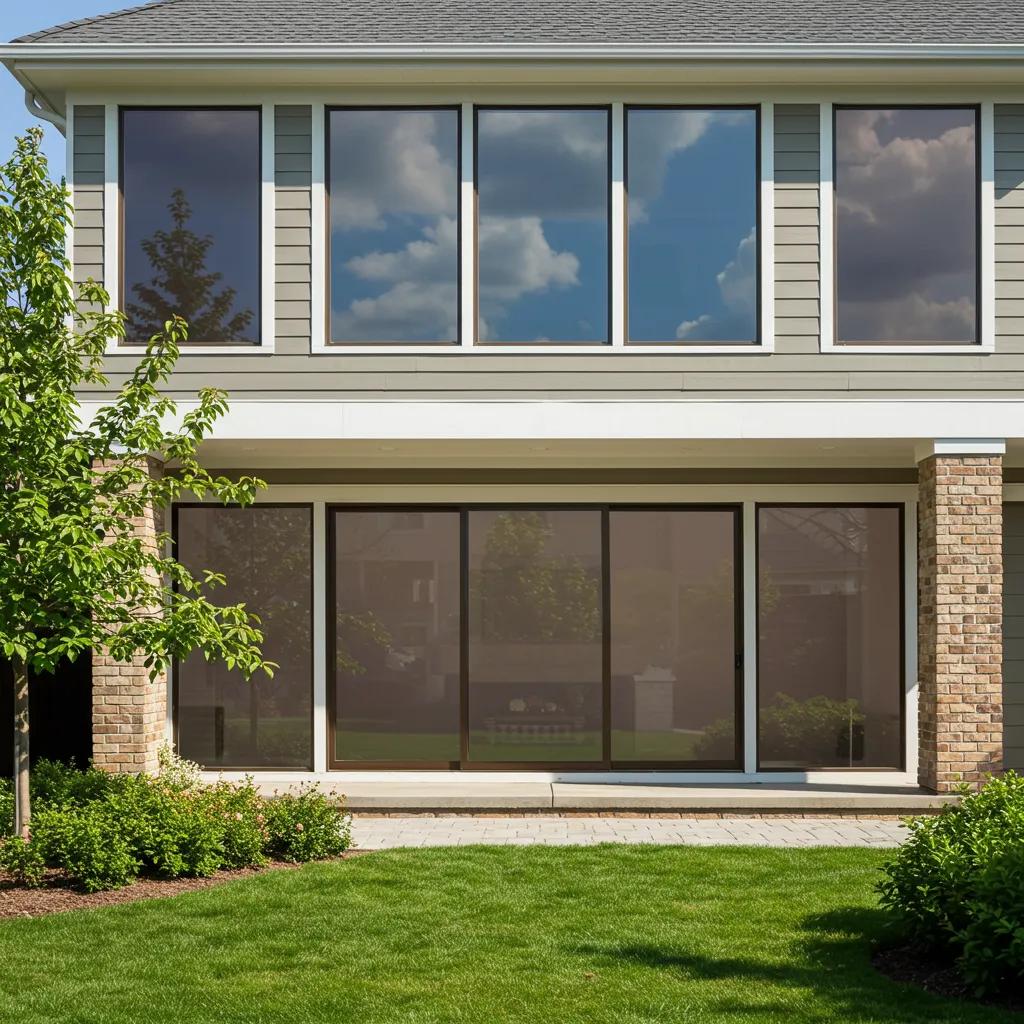
Residential window tinting means applying specialist window film to your home’s glazing to cut solar heat, block harmful UV rays and boost privacy and comfort. This guide lays out the typical price ranges you’ll see in Birmingham, explains the factors that push costs up or down, and shows how to get a personalised quote. Many homeowners want clear figures before booking an assessment — here you’ll find per-window and whole-house examples, a breakdown of film types and how they affect price, plus how energy savings and warranty choices influence overall value. Follow the step-by-step instructions to request a free, no-obligation quote and learn what to expect on installation day.
Tint Shop Birmingham is a family-run specialist serving Birmingham and the West Midlands. We supply premium Solargard CX Magnum ceramic films, which offer up to 91% infrared heat rejection, 99% UV protection and a 10-year manufacturer warranty. Our certified technicians fit film in a dedicated workshop or on-site as needed, and we provide free, no-obligation quotes to homeowners looking for better comfort and lower energy bills. That gives you a reliable starting point as we walk through cost drivers, typical price bands and the quote process.
What Factors Influence Residential Window Tinting Costs in Birmingham?
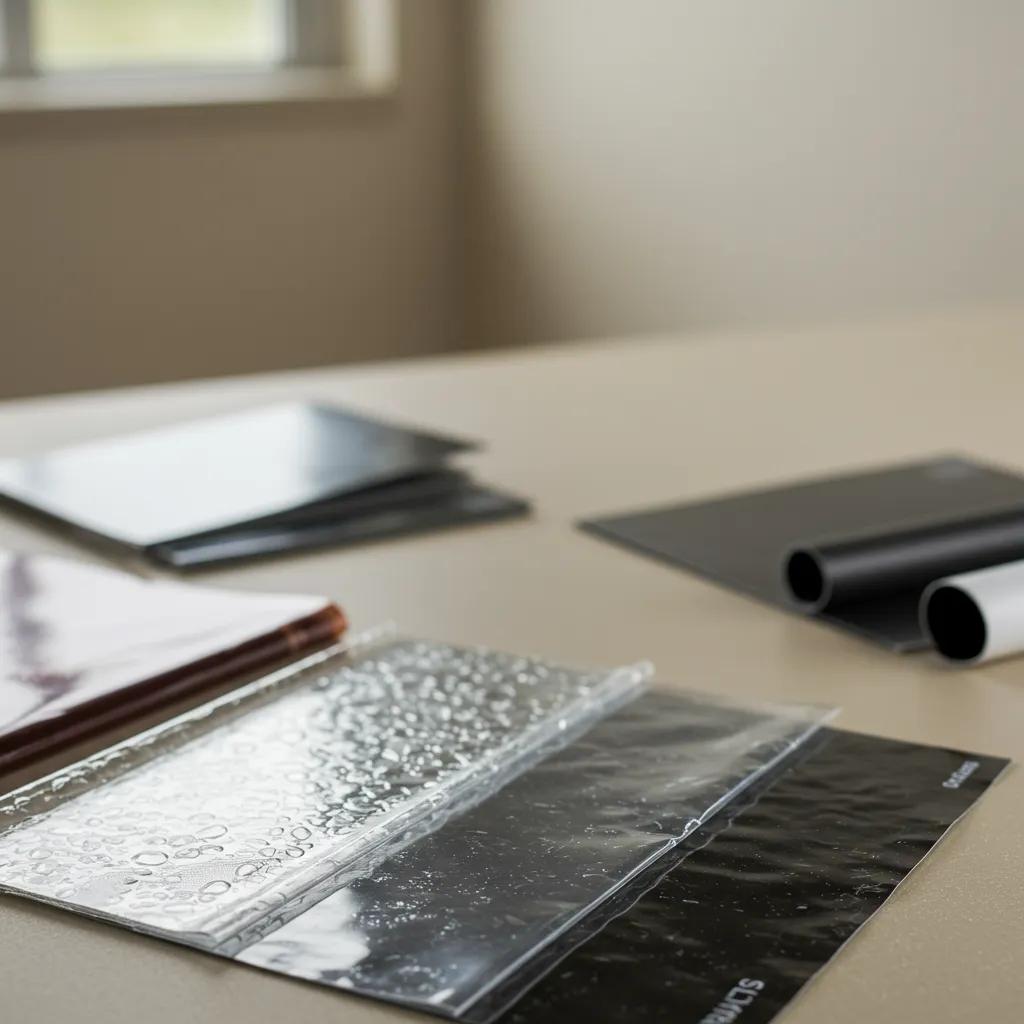
Request a Tint
Prices for residential window tinting in Birmingham vary because several elements combine to set the final quote. Film choice, the type of glazing, how many and how large the windows are, plus access and any specialist finishes all affect material and labour needs. Local labour and material costs, plus the warranty you choose, also shape the price. Complex jobs — conservatories, curved glass or large patio doors — take more time and skill, which raises costs. Knowing these variables makes it easier to compare estimates and decide whether a premium film or extra services are worth it for your home.
The main cost drivers are:
- Film type and brand: high-performance ceramic films cost more but deliver superior heat rejection and longer warranties.
- Window number and size: more or larger windows raise material use and labour time.
- Installation complexity: conservatories, external access and unusual glazing require specialist techniques.
- Aftercare and warranty: longer manufacturer warranties and professional aftercare increase upfront cost but add long-term value.
These factors decide whether a job sits at the lower or upper end of local price ranges. Next, we show how size and film choice translate into per-window pricing and common job examples.
How Does Window Size and Number Affect Tinting Prices?
Window size and the total count of glazed units directly affect how much film you need and how long the install takes — and that drives cost. Standard sash or casement windows are often quoted per window, while very large panes and patio doors are usually quoted per square metre because they need different handling and layout. A small bedroom window normally takes under an hour and uses a small film cut; full-height sliding doors require careful trimming and finishing, so labour charges are higher. Ask whether quotes are per window or per square metre so you can compare estimates accurately and see how adding windows affects the total.
Larger glazing also raises the risk of bubbles and edge lift, which can mean choosing a premium film or adding sealing work — a decision closely linked to film selection, covered below.
What Role Does Film Type Play in Residential Window Tinting Costs?
Film type is one of the biggest cost factors because the specification dictates material price, warranty and long-term value. Premium films such as Solargard CX Magnum (ceramic) come at a higher price because they offer superior infrared rejection and UV blocking. Ceramic films typically cost more than basic solar or privacy films but give measurable improvements in heat control, glare reduction and longevity — so the extra spend can pay off if energy savings or protecting furnishings matter. Privacy and decorative films are cheaper and suit different needs, while security films add material and labour complexity, increasing cost. Choosing the right film balances upfront cost against expected benefits and warranty cover.
Below is a quick comparison of common film types and typical price roles to help match your needs to a budget.
| Film Type | Key Specification & Warranty | Typical Price Range & Use Case |
|---|---|---|
| Solargard CX Magnum (ceramic) | Up to 91% infrared rejection; 99% UV protection; 10-year warranty | Higher price; ideal for heat control, UV protection and long-term durability |
| Privacy film | Opaque or reflective finish; modest warranty | Mid-to-low price; suited to rooms where shading and privacy are priorities |
| Security film | Thick multi-layer film to resist impact | Higher price; used to increase safety and vandal resistance |
This comparison clarifies the trade-offs between performance and cost; next we give concrete price ranges homeowners typically see in Birmingham.
What Are the Average Price Ranges for Residential Window Tinting in Birmingham?
Below are local price bands to help you form a realistic budget for domestic window film in Birmingham. These ranges reflect typical projects but remember that complexity, film choice and access can move a quote up or down. Use these examples when comparing installers and preparing photos and measurements for a free quote.
| Window Type or House Size | Typical Scope | Estimated Price Range (GBP) |
|---|---|---|
| Single standard window (bedroom/casement) | Supply & fit basic solar/privacy film | £40–£90 per window |
| Large fixed window or patio door | Supply & fit premium/ceramic film | £120–£350 per unit |
| Conservatory glazing (per panel) | Large-area film, higher labour due to access | £80–£250 per panel |
| Typical 3-bed semi (whole house) | 10–15 windows, mixed film choices | £1,000–£3,000 total estimate |
Use this table as a quick reference for common scenarios; your actual quote will reflect exact measurements and film selection.
If you’d like a tailored estimate, Tint Shop Birmingham offers free, no-obligation quotes and can produce personalised pricing from photos, window counts and your preferred film types. A bespoke quote will show exactly where your job sits in these ranges.
How Much Does Tinting Cost Per Window and Room Type?
Per-window cost depends on glazing style and what each room needs: bedrooms often favour privacy films and therefore cost less, while living rooms facing west usually benefit from higher-spec solar control film to cut heat and glare. Conservatories cost more per square metre because of large glass areas and awkward access, while small upstairs windows are the cheapest per unit. For example, a living-room picture window with ceramic film will fall toward the higher per-window band; a small upstairs bedroom window with standard privacy film will sit near the lower end.
Comparing per-window costs by room helps you prioritise where to spend to get the most comfort and savings.
What Are Typical Costs for Different House Sizes in Birmingham?
Whole-house costs scale with window count and film quality. A small 2-bed home with mainly standard windows will usually fall in the lower band, while a 4-bed house with many large panes and premium ceramic film will be toward the higher end. Sample estimates commonly assume a mix of film types to balance budget and performance. Because variability is significant, we recommend prioritising key rooms and requesting a site-specific quote to avoid surprises.
Upgrading only targeted rooms to ceramic can deliver most comfort benefits for a fraction of whole-house premium costs — a practical way to spread investment over time.
Is Residential Window Tinting Worth the Cost? What Are the Benefits Compared to Price?
Request a Window Tint
Window film creates value through measurable benefits that offset the initial cost: lower solar heat gain, better occupant comfort, UV protection for carpets and furnishings, and added privacy. The primary effect is solar control — film rejects incoming infrared and UV radiation before it becomes indoor heat, reducing cooling demand and slowing fading of interiors. The exact impact depends on film quality and building details, but premium films like Solargard CX Magnum are positioned to deliver larger reductions in heat and near-complete UV blocking, improving ROI for homeowners focused on energy savings and preservation.
The table below links common benefits to how they work and typical impacts to help justify the cost.
| Benefit | Mechanism | Estimated Impact / ROI |
|---|---|---|
| Energy bill reduction | Infrared and solar rejection reduces cooling demand | Up to 30% potential cooling savings (claim range) |
| UV protection | Blocks UV rays that fade furnishings | Up to 99% UV blockage with premium films |
| Glare reduction | Lowers visible light and glare for screens | Noticeable comfort improvement in bright rooms |
| Privacy | Reflective or opaque films limit sightlines | Reduces need for blinds while keeping natural light |
How Does Window Tinting Reduce Energy Bills and Improve Comfort?
Window film reduces energy demand by rejecting a share of solar infrared radiation before it becomes indoor heat, which lowers reliance on cooling and makes sun-exposed rooms more comfortable. Savings depend on orientation, glazing type and local climate — similar installs in comparable markets report up to 30% reductions in cooling-related energy use when high-performance films are fitted. Even when energy savings vary, you’ll typically see lower peak-room temperatures and less glare, so air conditioning is used less often and everyday comfort improves. That’s why paying more for a premium film can make financial sense over time.
These energy and comfort gains complement non-energy benefits like UV protection and privacy, described next.
What Privacy, UV Protection, and Glare Reduction Benefits Justify the Investment?
Non-energy advantages include strong UV protection that preserves carpets and soft furnishings, privacy improvements that reduce reliance on curtains or blinds, and glare reduction that makes screens and living spaces more usable. Premium ceramic films can block up to 99% of UV rays and significantly cut infrared heat transmission, protecting both interiors and occupants. For many homeowners the combined effect of preserved furnishings, improved privacy and daily comfort makes choosing a higher-spec film for main rooms worthwhile. Balancing these benefits against cost helps decide where to spend for the best long-term value.
| Film Type | Attribute | Value / Use Case |
|---|---|---|
| Ceramic (premium) | Heat rejection / UV blocking / Warranty | Up to 91% IR rejection; 99% UV; 10-year warranty |
| Privacy | Light control / Sightline reduction | Moderate cost; strong privacy benefit |
| Security | Impact resistance / Thickness | Adds safety value; increases cost significantly |
How Can You Get a Personalised Residential Window Tinting Quote from Tint Shop Birmingham?
Getting a personalised quote is simple: collect window counts, rough dimensions and your film preference, then choose a remote estimate or an on-site survey for greater accuracy. Tint Shop Birmingham provides free, no-obligation quotes and will recommend whether premium ceramic or a budget-friendly privacy film better suits your goals. Passing the right information to installers speeds up the process and makes quotes easier to compare, so you can weigh price, performance and warranty clearly.
The precise steps to request a quote are:
- Take clear photos of each window and note approximate dimensions or window types.
- Tell us the performance you want (e.g., heat reduction, UV protection or privacy).
- Contact the installer to request a free quote and say whether you want a remote estimate or an on-site survey.
- Review the personalised proposal, including film specs, warranty and timeline, before you book the installation.
What Is the Step-by-Step Process to Request a Free Quote?
Requesting a free quote begins with a few simple details and ends with a clear written proposal and, if needed, a survey. First, photograph window types from inside and outside so frames and access are visible. Second, set out your priorities — energy savings, UV protection or privacy — so we recommend the right film. Third, submit the information and choose a remote estimate or on-site survey; Tint Shop Birmingham offers both and will send a free, no-obligation quote. This approach helps you compare like-for-like proposals and reduces the chance of unexpected costs at install.
A transparent quote process helps homeowners move from estimate to installation with confidence and clear warranty terms.
What Should Homeowners Expect During Installation and Aftercare?
On installation day, our team will protect floors and furnishings, measure and prepare the glass, apply the film with care and carry out finish checks. Most standard window jobs finish within a day or two depending on scope. We’ll explain curing times and give cleaning and maintenance guidance so the film bonds properly and lasts. Warranties differ by film; premium products like Solargard CX Magnum include lengthy manufacturer warranties and professional aftercare — keep your quote and warranty paperwork safe to simplify any future claim. If you’re ready to proceed, request a free quote and confirm your film choice to book installation.
If you’d like a free, no-obligation quote tailored to your windows and priorities, Tint Shop Birmingham will assess your property, recommend suitable films and provide a fixed-price proposal to help you decide.
Frequently Asked Questions
1. How long does the window tinting installation process take?
Timing depends on window count and job complexity. Most standard installs complete within a day or two; larger projects, such as conservatories or many large windows, can take longer. We’ll agree a clear timeline with you when preparing the quote.
2. Can window tinting be removed, and if so, how?
Yes — film can be removed. Professionals use heat or steam to soften the adhesive and peel the film cleanly; DIY removal risks adhesive residue or glass damage. Ask your installer for the recommended removal method and any likely costs.
3. Are there any maintenance requirements for tinted windows?
Maintenance is straightforward. Don’t clean the glass during the initial cure period (a few days). Once cured, use a soft cloth and a mild, ammonia-free cleaner. Follow any specific care instructions we provide to keep the film looking and performing well.
4. Will window tinting affect the visibility from inside my home?
Visibility depends on the film chosen. Privacy films obscure sightlines from outside while still letting light in; some films can slightly reduce clarity, particularly at night with interior lights on. Discuss your visibility preferences so we can recommend the best film for your needs.
5. Is window tinting a good investment for energy savings?
Yes — high-quality films can significantly reduce solar heat gain and lower cooling costs, especially during warmer months. Homeowners may see up to 30% savings on cooling bills depending on film performance and the home’s characteristics. Those long-term savings can help offset the initial outlay.
6. What types of warranties are available for window tinting films?
Warranties vary by film and brand. Premium films like Solargard CX Magnum typically carry longer warranties (around 10 years) that cover issues such as bubbling, peeling or fading. Always review the warranty details in your quote so you know what’s covered and the claims process.
7. Can I tint my windows myself, or should I hire a professional?
DIY kits exist, but professional installation is recommended for the best, longest-lasting finish. Skilled installers have the right tools and experience to avoid bubbles, creases and misalignment, and they can advise on film selection and warranty options. For a high-quality result, choose professional fitting.
Conclusion
Residential window tinting delivers clear benefits — improved energy efficiency, strong UV protection and greater comfort at home. Understanding the factors that influence cost helps you make choices that match your needs and budget. For a personalised, no-obligation quote, contact Tint Shop Birmingham and we’ll recommend the best film for your property. Take the first step toward a cooler, more comfortable and protected home today.